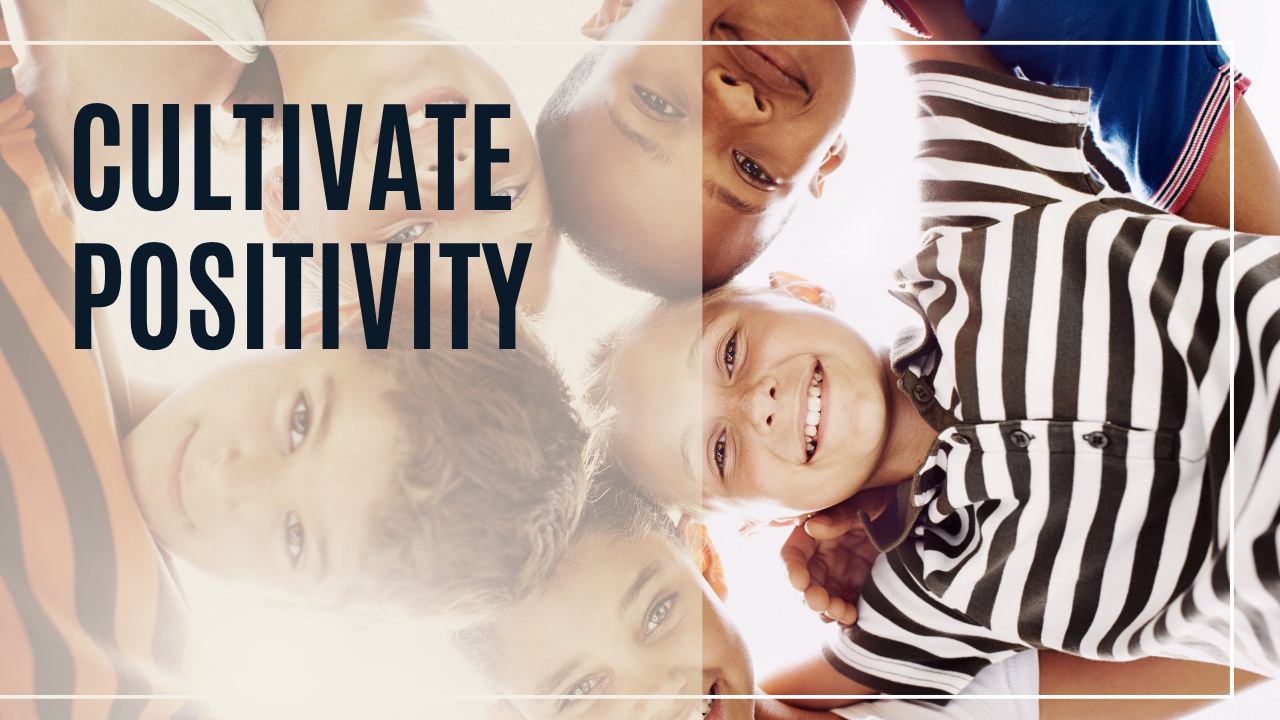
To cultivate positivity in a child with dyslexia, help them see dyslexia as just one part of who they are—never the whole story. Children take their emotional cues from us. When you frame dyslexia as a difference in how the brain processes language rather than a measure of intelligence or worth, you give your child a foundation of confidence that carries them through the hard days of learning to read.
How do I help my child see dyslexia as a unique trait?
Start by naming it plainly and without fear. Dyslexia is a difference in how the brain processes language, not a reflection of how smart a child is. Your child’s intelligence and potential reach far beyond reading, and the sooner they hear that from you, the more it sticks. Open, matter-of-fact conversations about dyslexia send the message that it is nothing to hide.
Children listen closely to how we talk about their struggles. A few simple moves make a real difference:
- Use the word “dyslexia” openly, the same way you would mention being left-handed or needing glasses.
- Separate the challenge from your child: “Reading is hard right now” rather than “you are bad at reading.”
- Point out that everyone learns differently, and that thinking differently is a genuine asset.
- Share stories of people who have dyslexia and have thrived in all kinds of fields.
If you are not sure how to start, our guide to talking about dyslexia with your child walks through age-appropriate language for kids ages 5 to 10. The aim of these conversations is not a single big talk but an ongoing, easy openness. When dyslexia is something you can mention casually at dinner, your child learns it is a normal part of their life rather than a secret to manage. That ease is the soil positivity grows in.
Which successful people have dyslexia?
Sharing examples of accomplished people with dyslexia helps a child understand that dyslexia does not limit what they can achieve. Each of the people below has spoken publicly about their own dyslexia and went on to lead in business, sports, and entertainment:
- Steven Spielberg — filmmaker
- Richard Branson — entrepreneur and founder of the Virgin Group
- Whoopi Goldberg — actress and comedian
- Jamie Oliver — celebrity chef
- Keira Knightley — actress
- Henry Winkler — actor and author of the Hank Zipzer series
- Octavia Spencer — Academy Award-winning actress
- Anderson Cooper — journalist and news anchor
- Magic Johnson — former NBA player and entrepreneur
- Orlando Bloom — actor
- Channing Tatum — actor
- Salma Hayek — actress and producer
- Tim Tebow — former NFL quarterback
- Erin Brockovich — legal advocate
We’ve kept this list to people who have talked about their own dyslexia first-hand. You’ll often see historical figures like Einstein or da Vinci on these lists too, but those are educated guesses made long after the fact — the names above are self-reported.
The point is not that your child must become famous. It is that dyslexia shows up alongside extraordinary creativity, problem-solving, and persistence. When you read these stories together, you give your child a roster of people who struggled with the same things they do — and kept going. That is a powerful counterweight to the message a struggling reader can absorb at school, where reading aloud or timed tests can make them feel like they are falling behind. To dig deeper into those advantages, read about the strengths of dyslexia.
Why does celebrating small wins matter?
Children with dyslexia work harder than their peers for every reading gain, and that effort can go unnoticed if we only praise finished products. Celebrating small wins reframes the work itself as something worth being proud of. Acknowledge the moment your child sounds out a tricky word, finishes a hard assignment, or shows creativity in something they love.
The goal is a home where strengths are highlighted and effort is named out loud. A few ways to do that consistently:
- Notice the process, not just the result: “You kept going even when that page was tough.”
- Mark milestones, however small — a mastered sound, a first chapter, a neat signature.
- Keep praise specific and honest so your child learns to trust it.
- Reinforce that learning differently is normal and that diversity in thinking is valuable.
This steady stream of recognition does real protective work. For more on guarding your child’s confidence, see dyslexia and self-esteem.
How can activities build my child’s confidence?
Reading is one slice of your child’s life, not the whole of it. Involving them in activities that match their interests and strengths gives them arenas where dyslexia simply does not get in the way. Art, music, sports, building, coding, drama — each is a place where your child can feel capable and shine.
These experiences build a well-rounded sense of self-esteem that does not rise and fall with a spelling test. When a child knows they are a strong swimmer, a thoughtful artist, or a generous friend, a hard reading day stings less. Look for opportunities that let your child:
- Develop a talent that has nothing to do with reading speed.
- Experience mastery and the pride that comes with it.
- Connect with peers around a shared interest.
- Carry that confidence back into the harder work of learning to read.
You do not need to enroll your child in a dozen activities or chase a hidden talent. One or two pursuits your child genuinely enjoys are enough. The benefit is not the trophy or the recital — it is the quiet internal proof that says, “I am good at things, and I can get better when I practice.” That belief travels. A child who has felt the satisfaction of improving at the piano understands, in their body, that practice pays off, and that is exactly the mindset that sustains the slow, steady work of learning to read.
How do I keep a positive mindset on hard days?
Positivity is not pretending reading is easy. It is honesty paired with hope: the work is hard, and your child can do hard things with the right support. The most reliable confidence booster is genuine progress, and progress comes from explicit, systematic instruction grounded in the Science of Reading.
Structured literacy approaches such as Orton-Gillingham teach reading step by step, in a clear sequence, with plenty of multisensory practice — so your child actually feels themselves improving. That felt progress is what turns a discouraged reader into a determined one. Our Dyslexia Intervention Curriculum is built on exactly this approach, and the companion workbook on Amazon gives you structured practice you can do at the kitchen table. When skills grow, so does self-belief — and the two reinforce each other for a lifetime.
Frequently Asked Questions
How do I talk to my young child about dyslexia without scaring them?
Keep it simple and matter-of-fact. Explain that dyslexia means their brain works differently with reading and spelling, that it has nothing to do with how smart they are, and that lots of successful people have it. Naming it openly removes the fear and shame.
Does having dyslexia limit what my child can achieve?
No. Dyslexia is a difference in language processing, not a ceiling on intelligence or potential. Many accomplished artists, scientists, entrepreneurs, and athletes have dyslexia. With the right instruction and support, children with dyslexia learn to read and go on to thrive.
Why should I praise effort instead of just results?
Children with dyslexia work much harder than peers for the same reading gains, and that effort often goes unseen. Praising the process — persistence, courage, trying again — teaches your child that hard work itself is valuable and builds resilience that outlasts any single test score.
What activities help build confidence in a child with dyslexia?
Any activity that plays to your child's interests and strengths, such as art, music, sports, drama, building, or coding. These give your child arenas where dyslexia is not a barrier, so they can experience mastery and carry that confidence back into reading.
Can a positive mindset alone help my child read better?
Encouragement matters, but real confidence grows from real progress. Pair a positive, supportive home with explicit, structured reading instruction grounded in the Science of Reading. As your child's skills improve, their self-belief grows alongside them.