
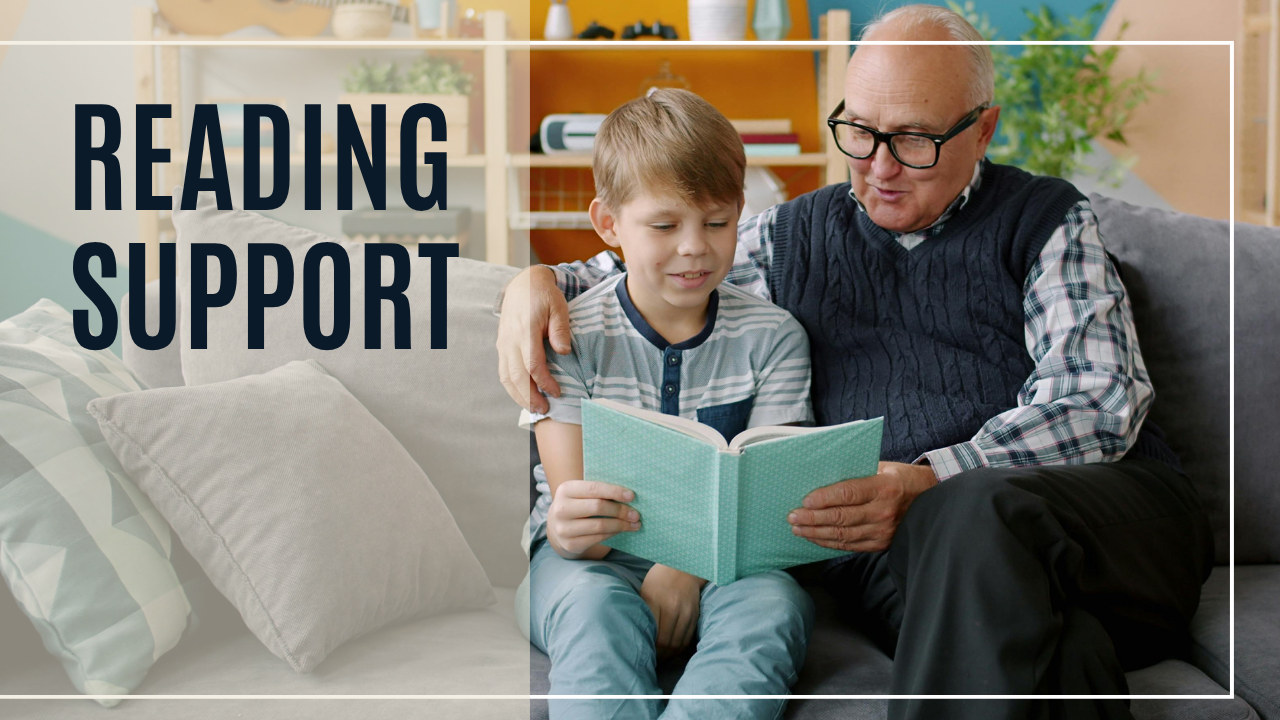
Reading support means giving a child with dyslexia explicit, structured, multisensory practice in reading—and at home, you can provide it in a way that’s tailored to exactly where your child is struggling. Many school districts struggle to deliver effective literacy support, especially for dyslexic learners, so supplemental work at home often makes the difference between a child who falls further behind and one who steadily catches up.
What is reading support for a child with dyslexia?
Reading support is targeted, structured practice that helps a child build the specific skills—sounds, letters, and the connections between them—that reading requires. For a child with dyslexia, this isn’t the same as reading more books or getting more general homework help. Dyslexia is a difference in how the brain processes language, so a child needs instruction that is explicit and systematic, not incidental.
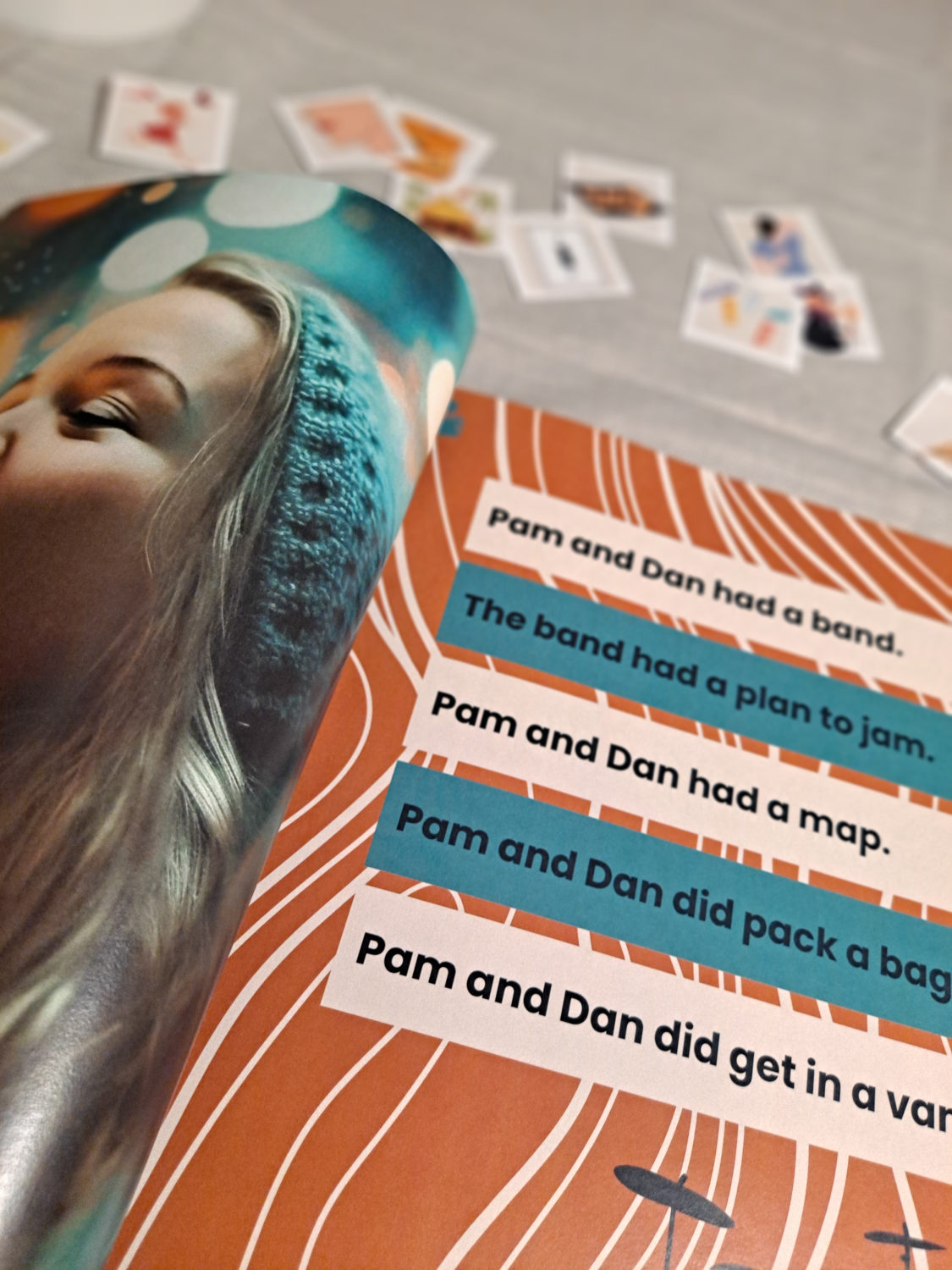
Good reading support breaks reading down into its parts and teaches each one directly: the individual sounds in words, how letters map to those sounds, how to blend them, and how to apply it all to real text. When that support is consistent, it builds the brain pathways your child needs to read.
Why does reading support at home matter so much?
Schools want to help, but many districts struggle to provide effective reading programs and literacy support, particularly for students with dyslexia. Class sizes are large, specialist time is limited, and the right kind of instruction isn’t always available. That means a child who needs the most can end up getting the least.
Supplemental reading support at home closes that gap. At home you can:
- Tailor every session to your child’s unique needs and current sticking points.
- Work in short, consistent sessions instead of waiting for scarce specialist time.
- Move at your child’s pace—slowing down or repeating without holding up a class.
- Pair instruction with the encouragement and patience that only a parent can give.
You don’t need to replace school. You’re adding the focused, daily practice that turns instruction into lasting skill. For more on building those routines, see our guide on supporting your child at home.
What kind of reading support actually works?
The most effective reading support for dyslexia is grounded in the Orton-Gillingham Approach and structured literacy—the same principles behind the Science of Reading. These methods are explicit, systematic, and multisensory, meaning a child sees, hears, says, and writes as they learn, engaging more than one sense at once to strengthen memory. That combination matters: for a child with dyslexia, hearing a rule once is rarely enough, but practicing it through several senses at the same time helps it stick.
Effective support shares a few features:
- Multisensory: Activities combine sight, sound, and movement so new sound-letter connections stick.
- Systematic and cumulative: Skills build in a logical order, with each new step resting on what came before.
- Explicit: Nothing is left for the child to guess—each concept is taught directly.
- Tailored: The pace and focus match the individual learner, not a one-size-fits-all script.
Our Dyslexia Intervention Curriculum is built on exactly these principles. Based on the Orton-Gillingham Approach, it uses multisensory activities to engage learners and includes a colorful student book paired with a comprehensive parent guide—so you have proven strategies in hand, even with no teaching background. If you want to understand the method first, our overview of Orton-Gillingham at home walks through how parents can use it.
How do I know my child needs extra reading support?
Many parents sense something is off long before a school flags it. Trust that instinct. A child who would benefit from supplemental reading support often shows a pattern of struggle that doesn’t match their effort or their abilities in other areas. Common signs include:
- Reading is slow, effortful, or full of guesses based on the first letter or a picture.
- Your child mixes up similar sounds or letters, or leaves out small words when reading aloud.
- Spelling is inconsistent—the same word is spelled different ways on the same page.
- Homework that involves reading takes far longer than it should and ends in tears or avoidance.
- Your child is bright and curious in conversation but seems to “shut down” around print.
None of these mean your child can’t learn to read. They mean your child learns to read differently—and needs the explicit, structured practice that reading support provides. The sooner that practice starts, the more readily new reading pathways take hold, so there’s real value in starting before frustration hardens into a dislike of reading altogether.
How do I start providing reading support at home?
Starting is simpler than it sounds. You don’t need to be a reading specialist—you need a structured plan and a little consistency. A few practical steps:
- Pick a short, regular time each day when your child is rested and calm.
- Use a structured, Orton-Gillingham–based program so you’re always teaching the next right thing in order.
- Keep sessions short and multisensory—15 to 20 focused minutes beats an hour of frustration.
- Celebrate effort and small wins to protect your child’s confidence.
- Stay in touch with your child’s teacher so home and school reinforce each other.
If you’d like a step-by-step path, our guide on how to teach a dyslexic child to read at home lays it out. You can also start with our workbook on Amazon, which gives you the structured practice in a ready-to-use format. Progress with dyslexia rarely looks like a sudden breakthrough—it looks like steady, sometimes uneven gains that add up over weeks and months. The most important thing is to begin: consistent, structured support at home gives your child the practice and the tools they need to succeed, and it tells your child something just as important—that someone in their corner believes they can learn to read.
Frequently Asked Questions
What is reading support for a child with dyslexia?
It's targeted, structured practice that teaches the specific skills reading requires—the sounds in words, how letters map to those sounds, and how to blend and apply them. For dyslexia, this instruction needs to be explicit, systematic, and multisensory rather than incidental.
Why can't I just rely on school for reading support?
Schools want to help, but many districts struggle to provide effective reading programs and literacy support, especially for students with dyslexia. Large classes and limited specialist time mean supplemental practice at home often makes the real difference.
What kind of reading support works best for dyslexia?
Support based on the Orton-Gillingham Approach and structured literacy works best. It's explicit, systematic, and multisensory—engaging sight, sound, and movement together—and it's tailored to where your child is actually struggling.
Do I need teaching experience to support my child's reading at home?
No. With a structured program that lays out what to teach and in what order, parents with no teaching background can provide effective reading support. A good curriculum pairs a student book with a parent guide so you're never guessing.
How much time does reading support at home take each day?
Short, consistent sessions work best—about 15 to 20 focused minutes a day. Daily practice that's calm and multisensory builds skill far more effectively than occasional long, frustrating sessions.