
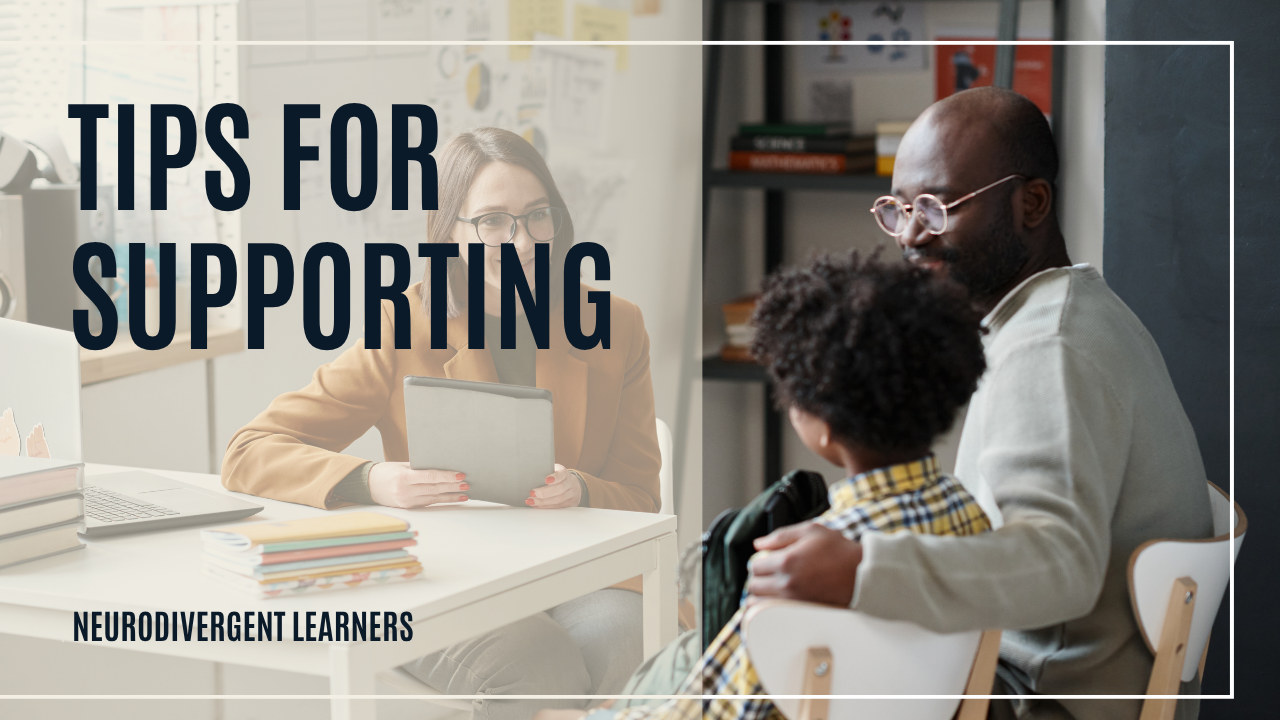
Supporting neurodivergent learners means tailoring how you teach—not lowering what you expect. Children with ADHD, autism, sensory processing differences, or dyslexia often process information differently, so the same lesson that works for a neurotypical sibling may leave them squirming and frustrated. The good news: a handful of practical changes, like allowing fidget toys and building movement into the day, can dramatically improve focus, mood, and retention.
What does it mean to be neurodivergent?
Neurodivergence describes natural variation in how a person’s brain processes information, attention, and sensory input. Conditions like ADHD, autism, sensory processing differences, and dyslexia all fall under this umbrella. The word “neurodiversity” reframes these differences as part of the normal range of human wiring rather than defects to be fixed.
That reframe matters because it changes what you do next. When you see a child’s restlessness or sensitivity as information about how they learn best—rather than as misbehavior—you can build an environment where they thrive. Recognizing and valuing these differences is the foundation for every practical strategy that follows. If you’re newer to this, our guide on creating a learning environment for neurodiversity is a good companion to this article.
Why do fidget toys help neurodivergent learners?
Fidget toys are often treated as classroom distractions, but for many neurodivergent learners they do the opposite—they make focus possible. The core idea is simple: a busy hand can free up a busy mind. Here is why they work:
- They sharpen focus. A fidget toy gives excess energy a constructive outlet so a child can put their attention on the task in front of them. Giving the hands a small, repetitive job often lengthens a child’s attention span rather than shortening it.
- They lower stress. Neurodivergent learners may feel heightened sensory sensitivity or anxiety. A fidget can act as a calming tool that helps a child self-regulate emotions and settle their nervous system—which is essential before any real learning can happen.
- They increase engagement. A fidget adds a quiet secondary sensory channel that runs alongside the main lesson. That extra input can keep a learner anchored and more receptive to the material instead of drifting off.
The key is matching the tool to the child. Some kids do best with a silent squishy ball, others with a textured strip taped under the desk, others with a chewable necklace. Watch what actually helps your child settle, and don’t assume the most popular toy is the right one. It also helps to set one simple ground rule—the fidget stays quiet and in the child’s lap or hands—so the tool supports learning instead of becoming a toy that competes with it. If a particular fidget starts pulling your child away from the work, swap it out without making it a battle; the goal is regulation, not a specific object.
How does movement support learning?
Asking a neurodivergent child to sit perfectly still for long stretches often backfires. Many of these learners are kinesthetic—they understand and remember best when their bodies are involved. Building movement into lessons is one of the most effective changes you can make:
- Kinesthetic learning makes abstract ideas concrete. Acting out a story, sorting word cards on the floor, or tapping out sounds turns invisible concepts into something a child can feel and do, which improves comprehension and retention.
- Movement activates the brain. Physical activity increases blood flow to the brain, which supports cognitive function. Simple things like stretching, pacing, or a quick lap around the room between tasks can stimulate neural pathways and reset a wandering mind.
- Movement regulates the senses. Rocking in a chair, bouncing gently on an exercise ball, or standing at a counter to work can provide the steady sensory feedback some learners need to stay grounded and on-task.
You don’t need a gym or special equipment. Movement breaks every ten to fifteen minutes, the freedom to stand while reading, and lessons that let a child use their whole body will carry most families a long way. Try ending a tricky task with a physical action your child enjoys—jumping jacks, a quick dance, tossing a beanbag—so movement becomes a built-in reward rather than an interruption. Over time, your child learns to recognize when their body needs to move and to ask for it, which is a powerful self-regulation skill in itself. Our piece on the power of multisensory activities shows how to fold movement directly into reading practice.
How can I set up a supportive learning space at home?
You have far more flexibility at home than any classroom teacher, so use it. The goal is a space that lowers friction and lets your child regulate before frustration takes over. A few practical moves:
- Offer flexible seating. A wobble stool, a floor cushion, a standing spot, and a regular chair give your child options for where their body needs to be that day.
- Keep a fidget basket nearby. Stock two or three tools your child already responds to, and let them choose before a hard task instead of mid-meltdown.
- Build in predictable movement. Plan short, expected breaks rather than waiting for a blowup. A child who knows a movement break is coming can hold focus longer.
- Reduce sensory overload. Dim harsh lighting, cut background noise, and clear visual clutter from the work surface so the lesson is the loudest thing in the room.
- Lead with strengths. Start sessions with something your child does well to build momentum and confidence before the harder work begins.
Above all, stay flexible. What works one week may need tweaking the next, and that’s normal. Your willingness to observe and adjust is the most powerful support tool you have.
How does this connect to dyslexia?
Dyslexia frequently travels with other forms of neurodivergence—ADHD in particular often overlaps with it—so many dyslexic children benefit from the same fidget and movement strategies described here. More than that, the most effective reading instruction for dyslexia is already built on movement and the senses.
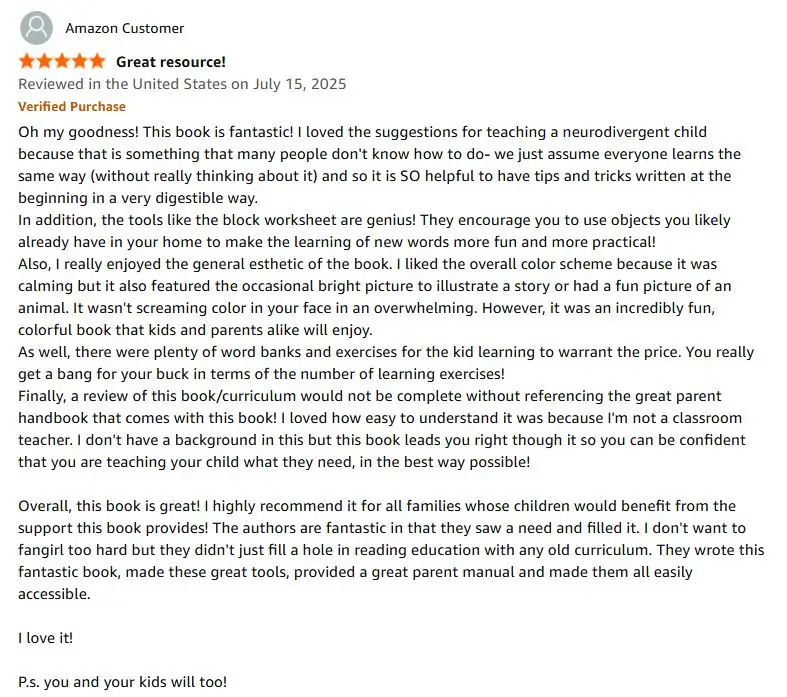
Structured, multisensory approaches rooted in Orton-Gillingham and the Science of Reading deliberately engage sight, sound, and touch at the same time: a child sees a letter, says its sound, and traces or taps it out. That “hands-on, body-on” design is exactly the kind of kinesthetic learning neurodivergent kids need. Our Dyslexia Intervention Curriculum is built this way from the ground up, and the companion workbook on Amazon gives you structured, multisensory practice to use at home. If you suspect dyslexia alongside the traits described here, our guide to ADHD and dyslexia explains how the two interact and what to do about it.
Frequently Asked Questions
Do fidget toys actually help kids focus, or are they just a distraction?
For many neurodivergent learners, fidget toys improve focus rather than break it. Giving the hands a small, repetitive job channels excess energy and helps the child put their attention on the task. The key is choosing a tool that quietly soothes your child rather than one that pulls them away from the lesson.
Which children are considered neurodivergent?
Neurodivergence is an umbrella term for natural differences in how the brain processes information, attention, and sensory input. It commonly includes children with ADHD, autism, sensory processing differences, and dyslexia. Many kids have more than one of these traits at once.
How often should I give my child movement breaks during learning?
A good starting point is a short movement break every ten to fifteen minutes, adjusted to your child's attention span. Predictable, planned breaks work better than waiting for frustration to build. Watch your child and shorten or lengthen the intervals based on what keeps them regulated and engaged.
My child has dyslexia. Do these strategies still apply?
Yes. Dyslexia often overlaps with ADHD and other neurodivergence, so fidget and movement supports frequently help dyslexic learners too. The best dyslexia instruction is already multisensory and movement-based, engaging sight, sound, and touch together, which fits naturally with these strategies.
What is the single most important thing I can do to support a neurodivergent learner?
Stay flexible and adapt the environment to your child instead of forcing your child to fit a rigid setup. Observe what helps them settle and focus, then adjust seating, tools, and pacing accordingly. Your willingness to watch and tweak matters more than any specific product.